Down in the Valley: Another Cultural Minute
Kathmandu Valley, Nepal
I haven't been meandering too much this trip....been in bed with a screaming migraine the past 3 days. But I would like to continue my Power Places of Kathmandu Valley series.
Tantric Hinduism was mostly wiped out or went underground in India, the land of its birth, centuries ago - by a resurgence of Brahmin orthodoxy and religious reforms. But it remained and remains alive and well in Nepal.
This has mixed results; the lovely sensual artwork celebrating human sexuality, along with the many bloody animal sacrifices.
The entire valley (and every city within the valley) is arranged as a mandala; that is, a ritual circular design with "power points" at key positions.
Here are my photos of a few more of the "Power Places of the Valley."
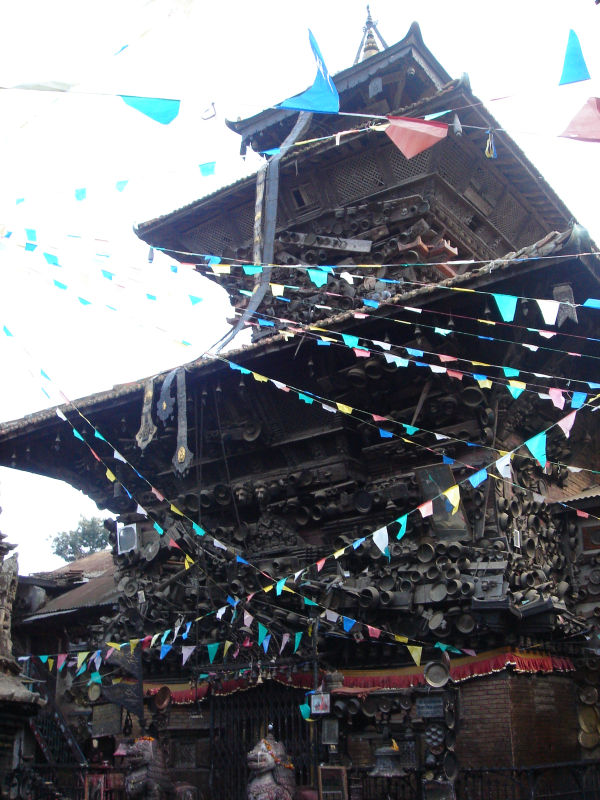
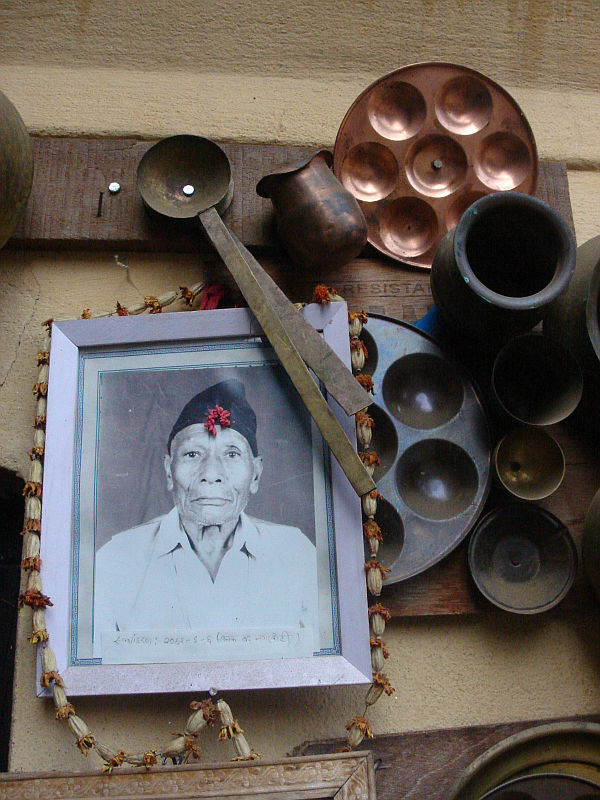
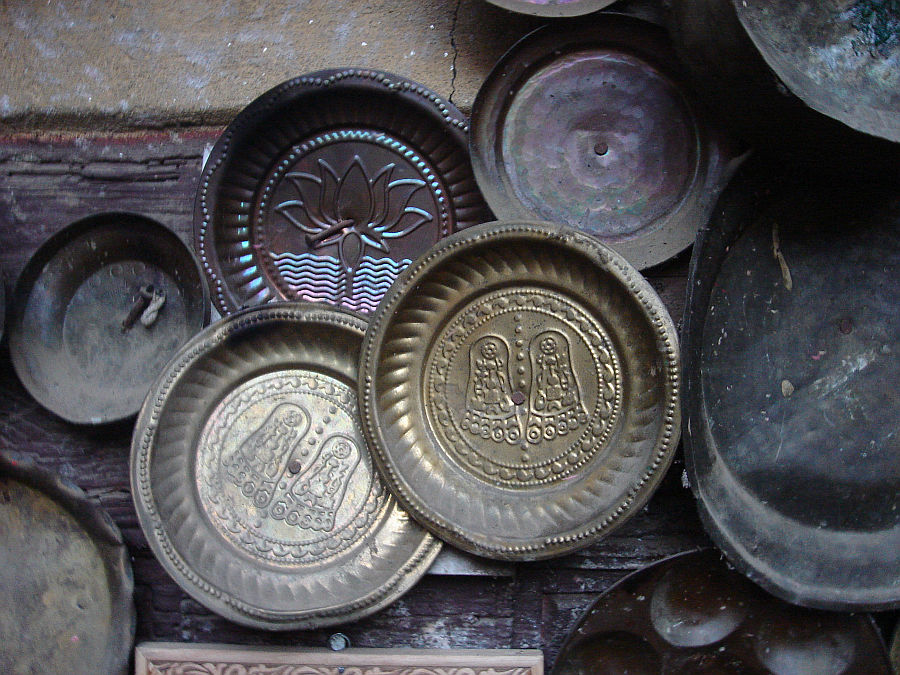
Chobar Adinath at first appears to be just another charming Newar style pagoda temple. But it's sacred to both Hindus and Buddhists, and inside the walls are covered with brass plates, pots, pans and photos of individuals. These are all homages to the deceased. The result feels very intimate; like being in someone's living room with the eyes of their ancestors peering down.
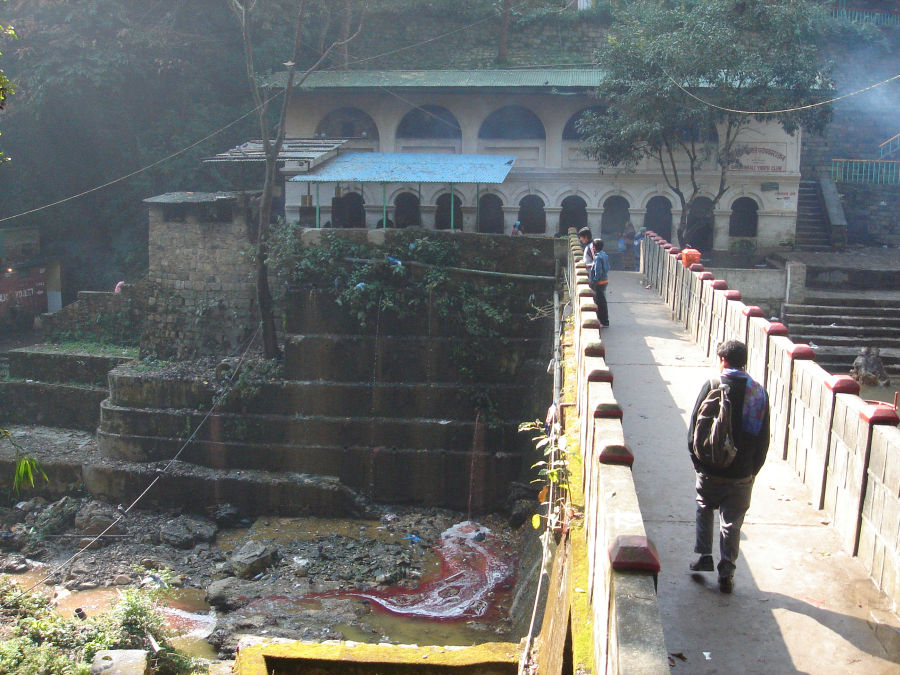
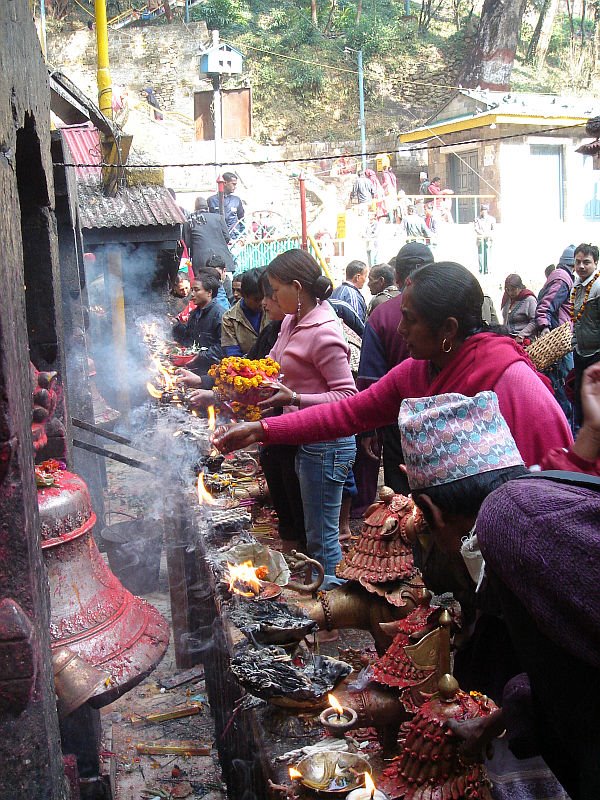
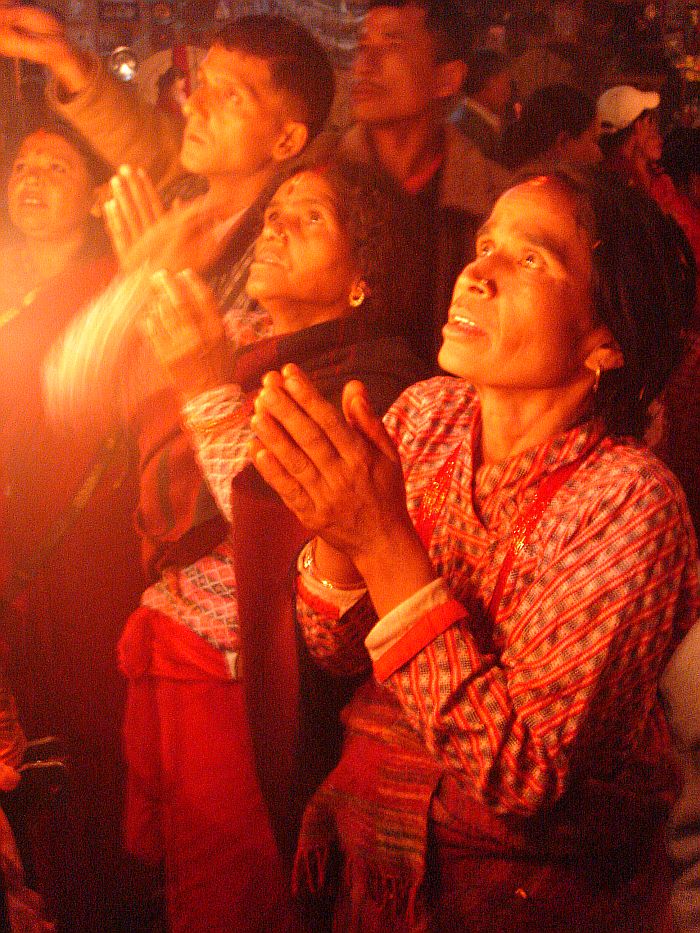 Dakshinakali, a Hindu temple located in a deep dark crevasse near Pharping, is the best known animal sacrifice temple, not only in Nepal but possibly in the world. It's not so much a temple building as a sprawling complex of bridges and platforms. Situated atop a small river, the water literally flows red most days (as you can see in the lower left-hand side of the river photo). Chickens, goats, sheep and so on are sacrificed by the dozens daily. Creates a powerful aura, but be prepared. The hills and woodlands surrounding the grotto are strangely peaceful, green and beautiful, and if you climb to the hilltop, a quiet, less bloody Goddess temple awaits you. In general Dakshinakali is certainly a powerful antidote to the popular ideas of Hinduism as a nonviolent religion.

Pharping Vajra Yogini is just about the polar opposite, vibrationally, of Dakshinakali. It's a hillside temple to a Buddhist goddess, and unfortunately doesn't allow photos of the main deity figure. But the wooden pagoda structure gives a welcoming, cottage ambience, so that you really feel you are visiting the "house" of the devi. The Vajra Yogini is a very prominent figure in the region so if you are looking for the Vajra Yogini temple, be sure to specify which one - there are several. 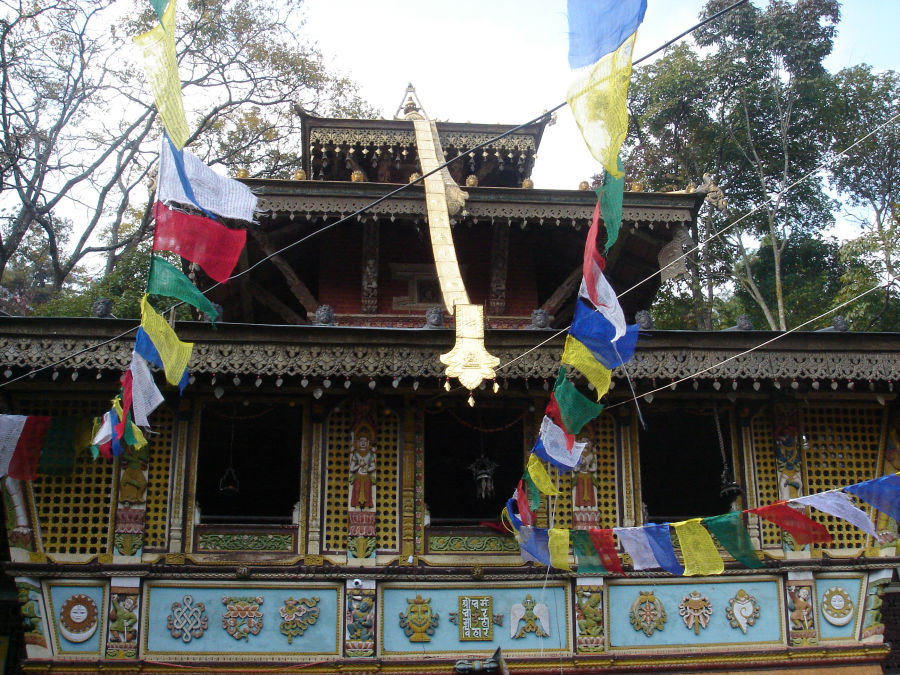
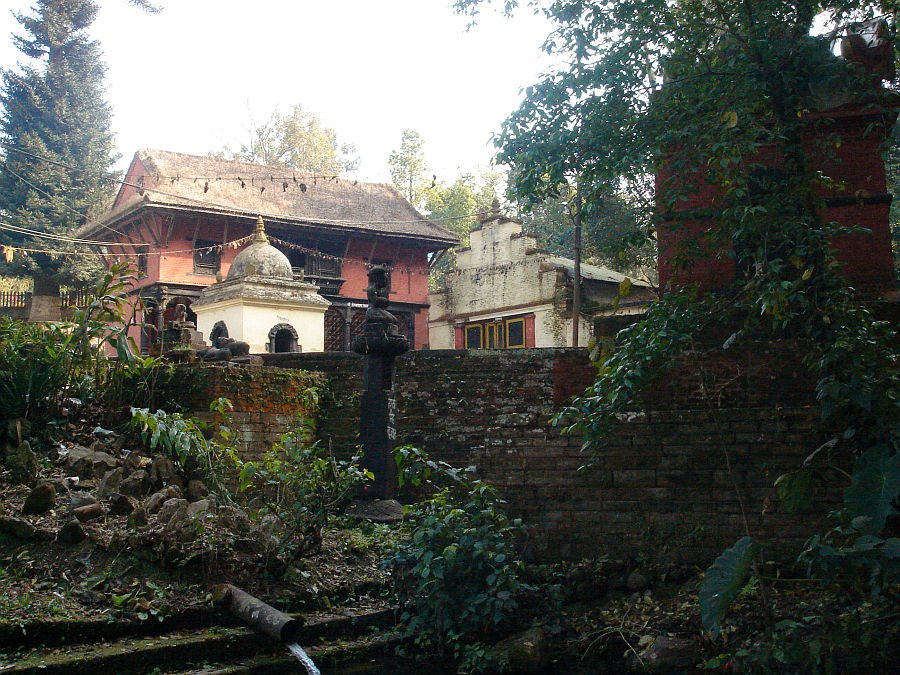
I could never get a photo that managed to capture the serenity of Pharping Sesh Narayana, a Vishnu temple which is nearby the Vajrayogini and up the road from Dakshinakali. Again, it feels more like a charming collection of cottages, surrounded by a goldfish pond and placidly grazing cows, than any formal house of worship. It's a very enchanting location. The small waterfalls and pools seem appropriate for a temple dedicated to the reclining "Adi Sesha" (ancient serpent) form of Lord Vishnu.
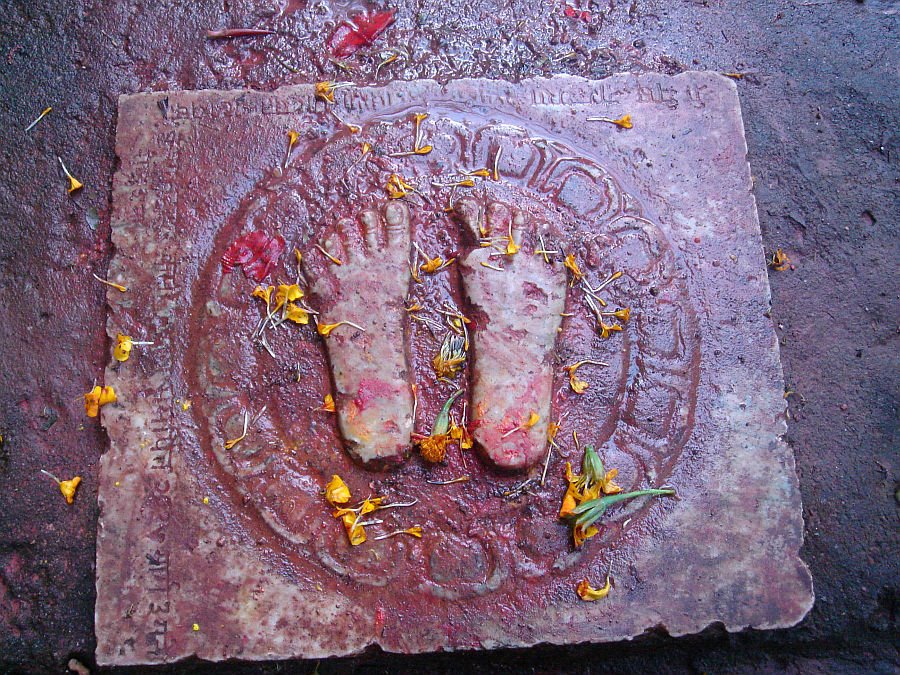
Time to go eat dinner. I guess there will have to be a Power Places Part 3.


 Posts
Posts